
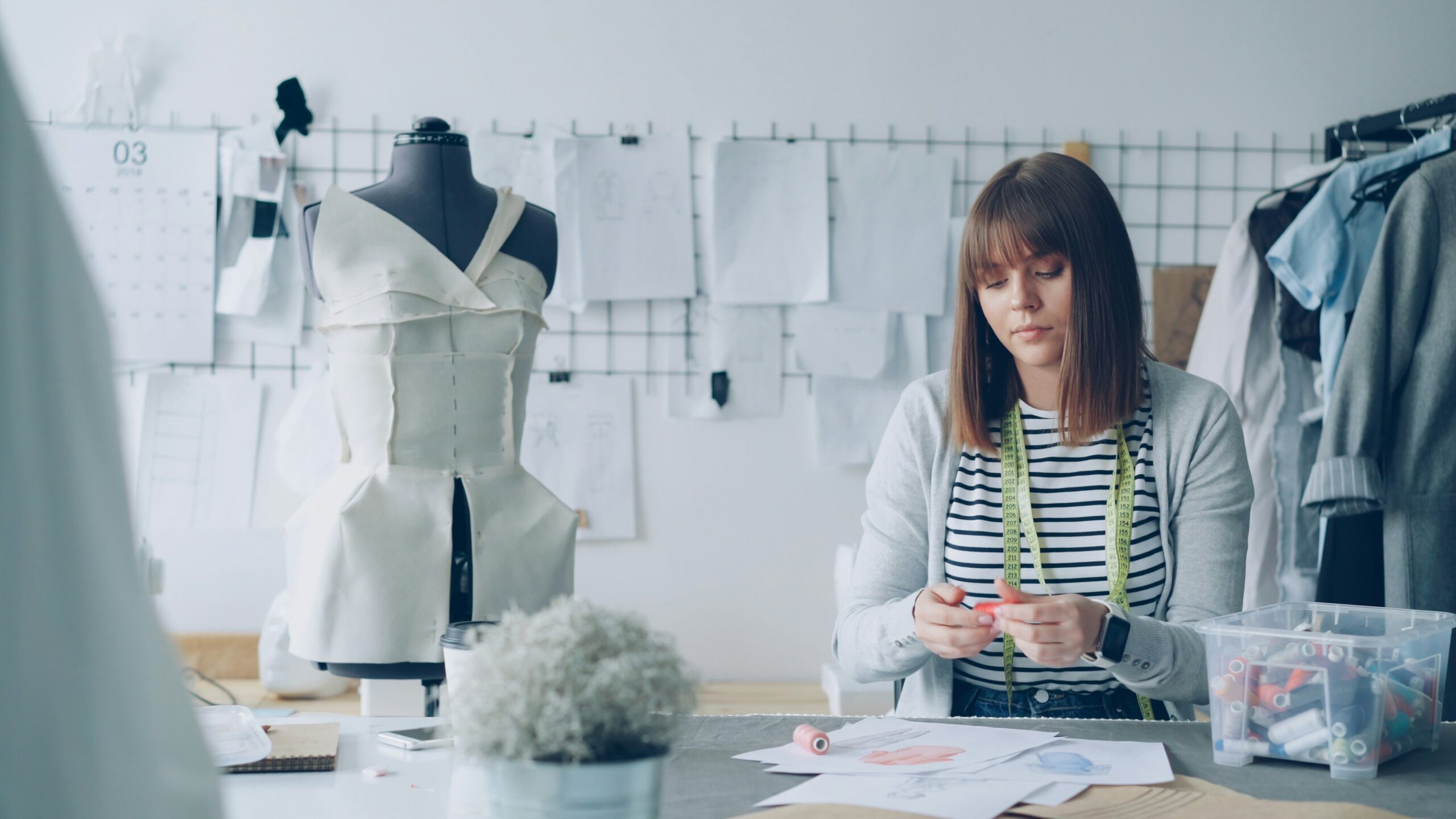
Launching a clothing brand has never been more accessible — but it’s still far more complex than most first-time designers anticipate. Between design, sourcing, manufacturing, sampling, and launch, there are dozens of decisions to make and pitfalls to avoid. This guide breaks down the key steps so you know exactly what’s ahead.
Before you sketch a single garment, get clarity on who you’re designing for and what makes your brand different. The most successful clothing brands don’t try to appeal to everyone — they speak directly to a specific customer. Are you creating technical activewear for women in their 30s? Gender-neutral basics for eco-conscious consumers? Statement pieces for the streetwear market?
Defining your niche shapes everything: your aesthetic, your price point, your manufacturing requirements, and your marketing strategy. Take the time to do this work upfront — it will make every decision downstream easier.
Start with a focused collection. New brands that try to launch with 20+ styles are usually setting themselves up for failure. A capsule collection of 4–8 pieces is much more manageable for a first launch — you’ll have more budget to invest in quality, fewer logistical complications, and a tighter, more cohesive story to tell.
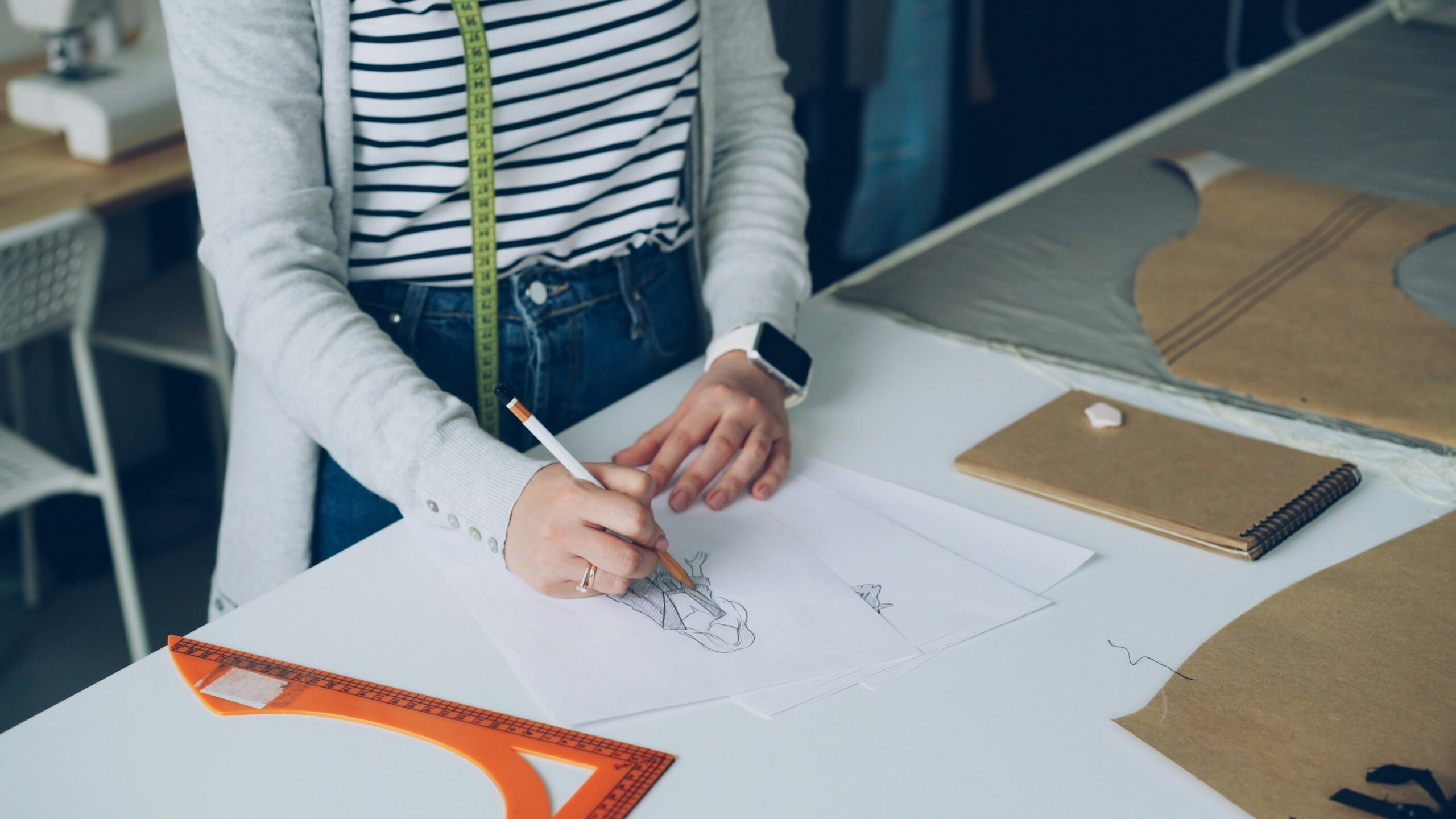
Sketch your designs (hand sketches are fine at this stage) and start gathering fabric references. Think about construction: are your designs simple enough for most factories, or do they require specialized equipment or techniques?
You don’t need to finalize every material before moving forward, but you should have a clear direction. Will you use deadstock fabrics? Custom prints? Stock fabrics from a wholesale supplier? Each path has different minimum order quantities (MOQs), lead times, and costs.
For fabrics, common sourcing options include trade shows like Texworld or LA Textile, online wholesale suppliers, or going direct to mills for larger orders. Keep records of your fabric choices — you’ll need them when creating your tech packs.
This is the step that separates brands that struggle with production from brands that don’t. A tech pack is a detailed technical document that tells your manufacturer exactly how to build each garment — flat sketches, measurements, materials, construction details, and more.
Many first-time designers underestimate how important tech packs are. Without them, you’re relying on your factory to interpret your sketches, which leads to samples that don’t match your vision and costly correction rounds. With a solid tech pack, your factory has a precise roadmap to follow.
If you don’t have a background in technical design, working with a service like Tech Packs Plus is a cost-effective way to get professional, production-ready tech packs without needing to learn the software yourself.
With your tech packs in hand, you’re ready to approach manufacturers. You’ll generally choose between domestic manufacturing (USA-based factories) and overseas manufacturing in countries like China, Bangladesh, India, Portugal, or Turkey. Each has trade-offs around cost, MOQ, lead time, communication, and quality control.
Research factories carefully. Ask for references. Request samples of their previous work. Start with a small test order before committing to a large production run.
Sampling is the process of making a physical prototype of your garment before full production. Expect at least 2–3 sample rounds before you have an approved design. Each round gives you a chance to check fit, construction quality, and material accuracy against your tech pack specs.
Keep detailed notes on every sample round and reference your tech pack when giving feedback. Don’t just say “the shoulder seams feel wrong” — say “shoulder seam should measure X inches per the spec on page 4.” Precise feedback gets precise results.
Once your sample is approved, you’re ready to place a production order. Confirm your quantities, colors, and sizes. Get everything in writing — a production contract, payment terms, and a clear delivery timeline. Pay attention to lead times; most overseas factories require 90–120 days from order to delivery.
While your production run is being made, use the time wisely. Build your website, grow your social media presence, shoot lookbook content using your approved samples, set up your e-commerce platform, and start building an email list. The most successful clothing brand launches are the ones with an audience already waiting.
Starting a clothing line takes time, patience, and more attention to detail than most people expect — but with the right preparation and the right documentation, it’s absolutely achievable.